
Managing Aggressive Late Summer Wasp Nests
If you have noticed a sudden uptick in stinging insects buzzing around your patio, you are not alone. As August and September roll around in Northeast Indiana, many homeowners experience a dramatic increase in wasp, hornet, and yellowjacket activity. At Web-X Pest Control, we see our call volume spike during these hot, humid months. What starts as a minor nuisance in the spring can quickly evolve into a dangerous situation by late summer, especially if these insects feel their nest is under threat.
Understanding why these pests become so irritable and knowing how to handle them is critical for keeping your family and pets safe. In this guide, we will explore the reasons behind this seasonal shift in behavior, how to identify hidden nests, and when it is time to call in the professionals for emergency wasp removal.
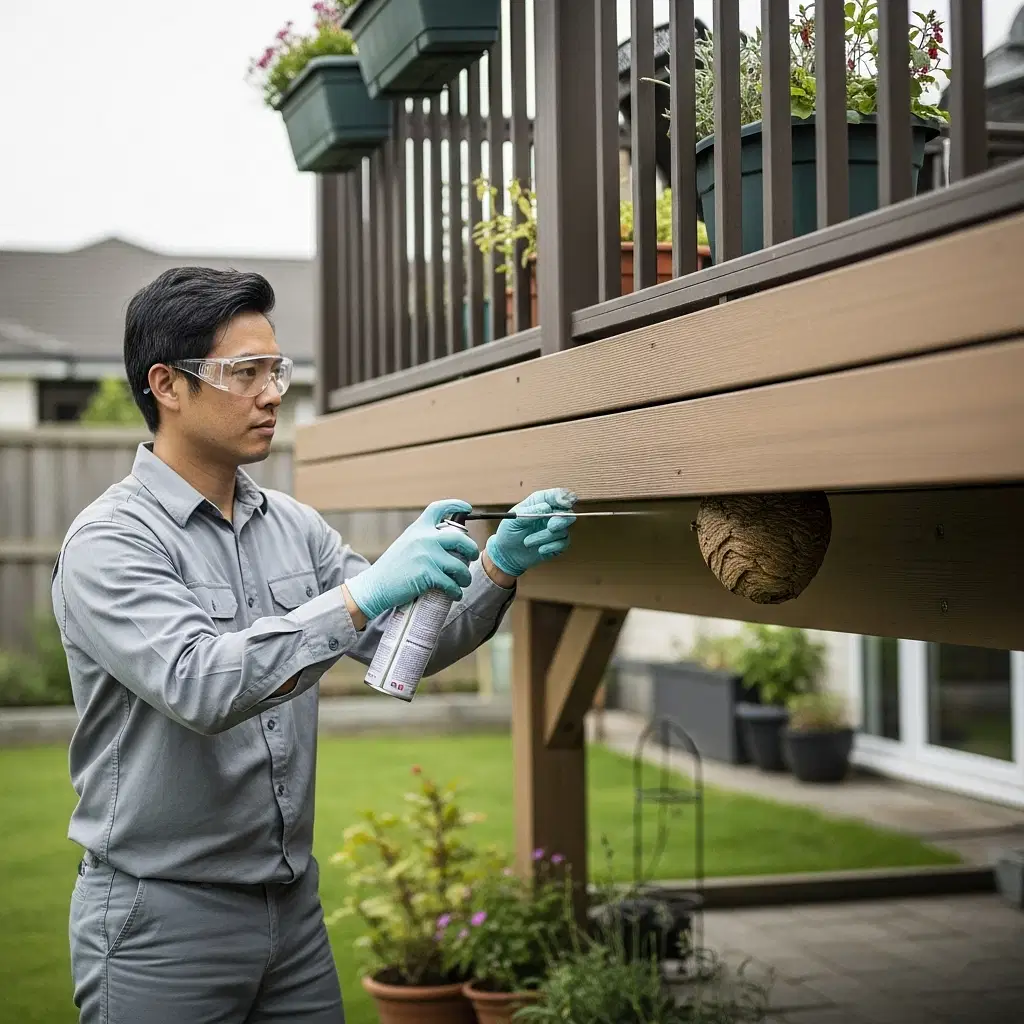
Why Yellowjackets Become Aggressive in Late Summer
To understand why yellowjackets become aggressive in late summer, you have to look at their lifecycle. In the spring and early summer, worker wasps are busy hunting for protein—like flies and caterpillars—to feed the growing larvae in their colony. During this time, they are focused on work and generally leave humans alone unless directly provoked.
However, by late summer, the queen stops producing new workers and instead produces reproductive males and future queens. With no more larvae to feed, the workers no longer receive the sweet secretion the larvae produce in exchange for protein. Suddenly, these thousands of unemployed workers shift their diet entirely to carbohydrates and sugars. This is why they boldly crash your backyard barbecues, dive into soda cans, and swarm around fallen fruit in your yard. As the colony reaches its maximum size, food becomes scarce, and the workers become highly defensive and erratic.
How to Locate Underground Wasp Nests Safely
While paper wasps typically build visible, umbrella-shaped nests under eaves and porches, yellowjackets are notorious for building hidden nests. They often utilize abandoned rodent burrows, hollow trees, or structural voids in retaining walls.
If you are wondering how to locate underground wasp nests safely, the key is observation from a distance. Spend some time watching the flight patterns of flying insects in your yard during the early morning or late afternoon when the sun is low. You will likely see a steady stream of wasps entering and exiting a specific hole in the ground.
Never approach or disturb the hole. Vibrations from lawnmowers or footsteps can trigger a massive defensive swarm. Similarly, preventing wasps from entering home siding is crucial during this time of year. If you notice wasps disappearing behind your siding or into a crack in your foundation, do not seal the hole. Sealing the exit will only force the trapped insects deeper into your home, potentially leading them right into your living space.

DIY Pest Control vs Professional Exterminator
It can be tempting to head to a local hardware store for an over-the-counter wasp spray. When comparing DIY pest control vs professional exterminator methods, it is important to weigh the risks. Store-bought sprays might kill a few visible workers, but they rarely penetrate deep enough to eradicate a mature, late-summer nest containing thousands of stinging insects.
Furthermore, DIY treatments often agitate the colony, leading to dangerous stings. This is particularly concerning for families looking for pet friendly pest control options, as over-the-counter chemicals can leave toxic residue on the grass where pets play. We frequently field questions from customers asking if our treatments are safe for dogs and young children. At Web-X Pest Control, we utilize integrated pest management strategies that prioritize the safety of your household while effectively neutralizing the threat.
Late Season Hornet Nest Removal Signs
How do you know when it is time to throw in the towel and call for backup? Look for these late season hornet nest removal signs:
- You see a football-sized paper nest hanging from a tree branch or roofline.
- There is a constant, heavy traffic of wasps entering a hole in the ground or your home's exterior.
- You or your family members have been stung unexpectedly in your own yard.
- The nest is located in a high-traffic area, such as near a doorway, patio, or children's play structure.
When a nest poses a direct threat to your family, fast action is required. We pride ourselves on fast response times, ensuring that your yard is safe to enjoy without the looming threat of painful stings.
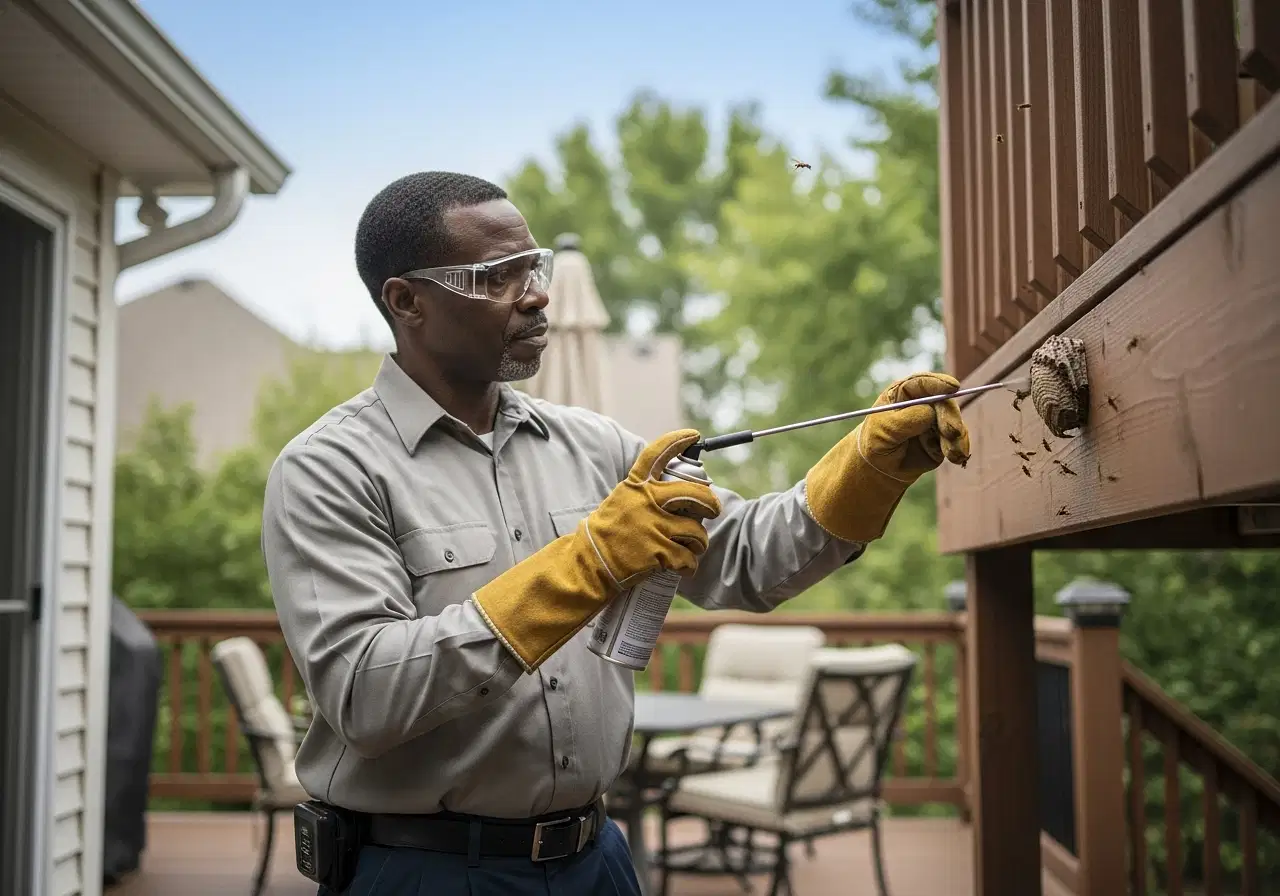
Reclaim Your Backyard This Summer
You shouldn't have to retreat indoors during the best weather of the year. If you are dealing with aggressive stinging insects around your Summit City home, let our experienced technicians handle the danger. With over a decade of experience, we provide free estimates and transparent pricing with no hidden fees or forced long-term contracts.
Don't let yellowjackets hold your patio hostage. Learn more about our professional bees and wasps control services, and contact Web-X Pest Control today to restore peace and safety to your outdoor spaces.